Perfect Cell Growth Starts Here
Tissue culture plates are among the most fundamental tools in life science laboratories. These seemingly simple plastic vessels are the foundation of cell culture, supporting the growth, proliferation, and observation of various cell types. Whether you are conducting basic biological experiments, stem cell research, drug screening, or tissue engineering, the quality of your tissue culture plates directly impacts cell viability, experimental reproducibility, and the reliability of your results.
Our high-quality tissue culture plates are designed to meet the strict demands of modern cell biology research. Made from premium, thickened plastic with excellent transparency and stability, these plates provide a sterile, cell-friendly environment for optimal cell growth. With multiple specifications available, they are suitable for a wide range of applications, from routine cell culture to advanced research projects.
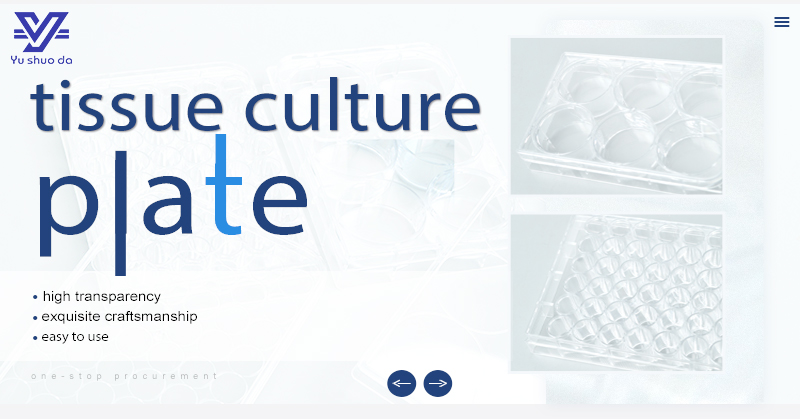
Our tissue culture plates are crafted from thickened, high-quality plastic with exceptional clarity. The smooth, even surface ensures consistent optical performance, allowing for clear microscopic observation without distortion. The material is resistant to common laboratory chemicals and mechanical stress, making the plates less prone to breaking during handling, even in busy lab environments. This durability ensures long-term use and reduces the risk of sample contamination or loss.
One of the most critical features of our plates is their high transparency. This allows researchers to easily monitor cell growth, morphology, and confluency using inverted microscopes without removing the lid. The consistent optical clarity ensures accurate imaging, which is essential for documenting cell behavior and experimental progress.
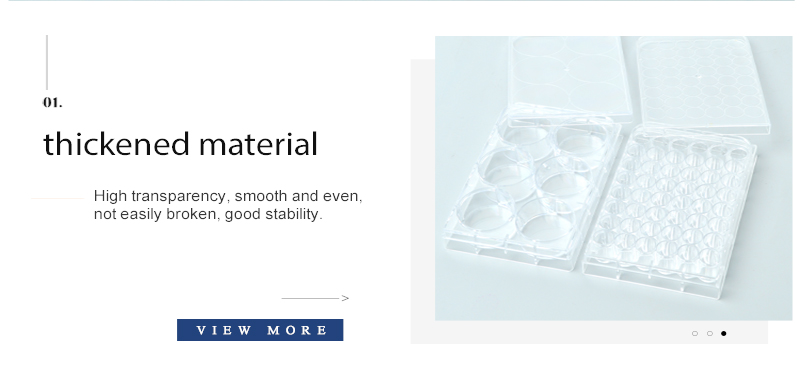
Each tissue culture plate is manufactured with meticulous attention to detail:
· Uniform wall thickness: Ensures even heat distribution and prevents warping during incubation.
· Consistent aperture size: Standardizes growth area across wells, ensuring equal cell seeding and nutrient distribution.
· Stable flat bottom: Provides a level surface for cells to adhere evenly, avoiding uneven growth patterns.
· Tooth-shaped design: Enhances lid fit and prevents accidental opening, reducing the risk of contamination.
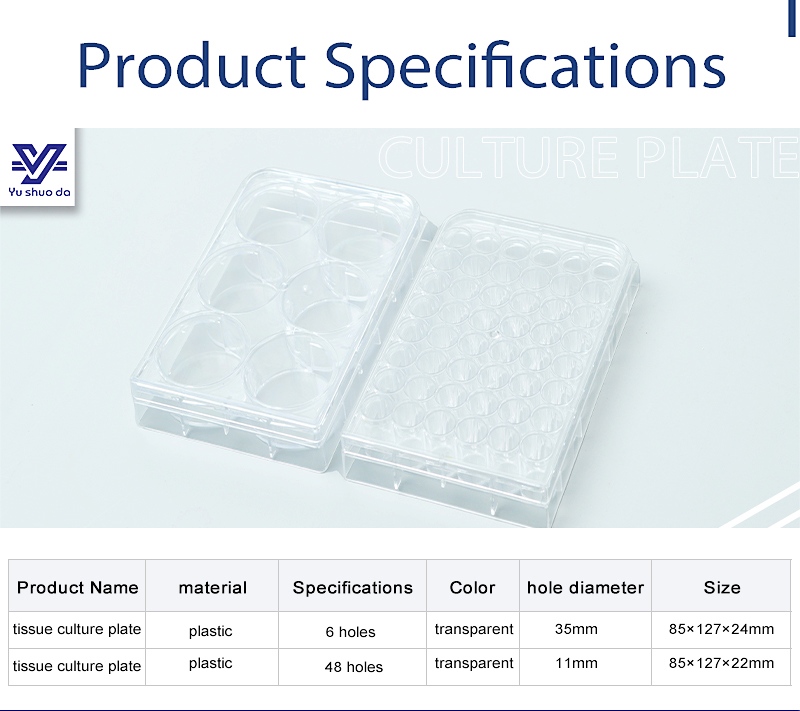
We offer a variety of well configurations to suit different experimental needs:
· 6-well plates: Ideal for large-scale cell culture, primary cell isolation, or experiments requiring high cell density.
· 48-well plates: Perfect for moderate-throughput experiments, drug screening assays, or when working with limited cell samples.Additional specifications can be customized based on your requirements, ensuring you have the right plate for every application.
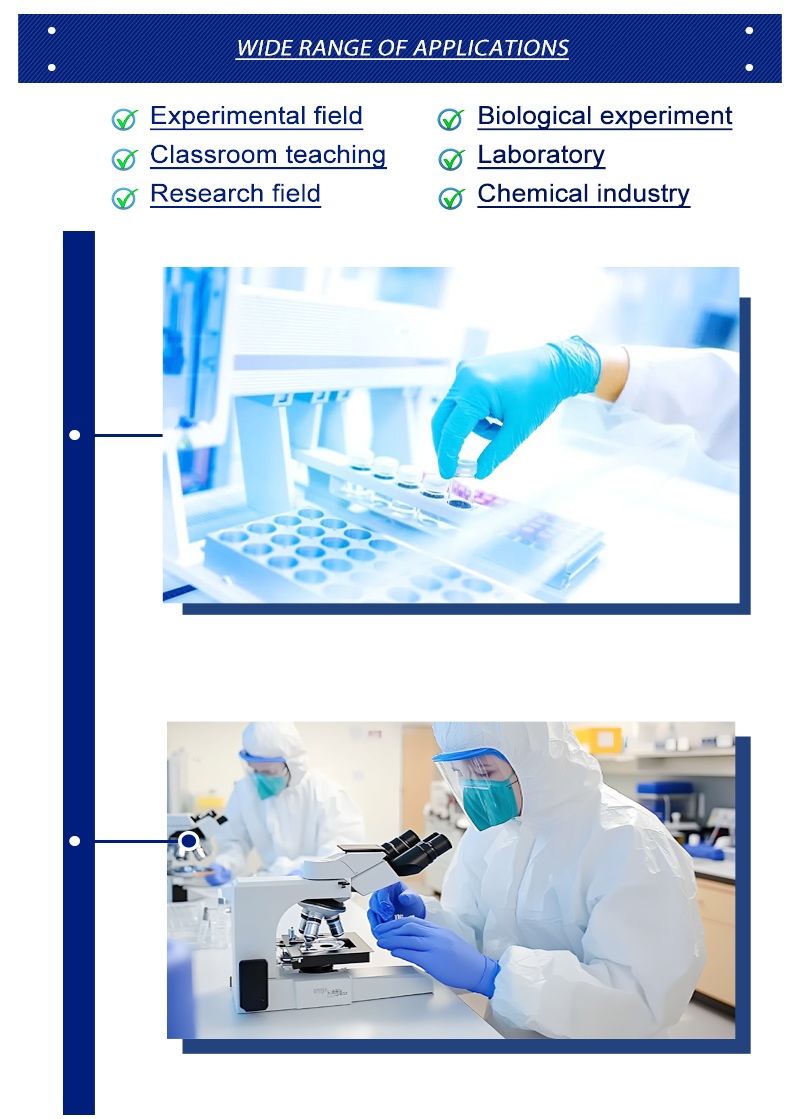
Our tissue culture plates are widely used across various fields of life science research and education:
· Basic Biological Experiments: Supporting routine cell culture, cell viability assays, and cytotoxicity tests.
· Classroom Teaching: Providing students with hands-on experience in sterile technique and cell culture methods.
· Stem Cell Research: Maintaining pluripotent stem cells and studying differentiation processes.
· Drug Screening: Evaluating the effects of pharmaceutical compounds on cell lines in high-throughput assays.
· Tissue Engineering: Growing cells on scaffolds to develop engineered tissues and organs.
· Biological Laboratories: Serving as essential tools for academic, industrial, and clinical research facilities.
· Tissue culture plates (appropriate well size for your experiment)
· Cell suspension (prepared in sterile medium)
· Sterile pipettes and pipette tips
· 70% ethanol for surface disinfection
· Tissue culture hood (biosafety cabinet)
· CO₂ incubator
· Inverted microscope
1. Pre-Work Preparation: Ensure the tissue culture hood is clean and disinfected. Warm cell culture medium and plates to room temperature before use to avoid shocking the cells.
2. Sterile Handling: Open the plate packaging only inside the biosafety cabinet. Use sterile gloves and avoid touching the inner surface of the wells or lids.
3. Cell Seeding: Using a sterile pipette, add the appropriate volume of cell suspension to each well. Ensure the cell density is evenly distributed to prevent uneven growth.
4. Incubation: Place the plate in a humidified CO₂ incubator (typically 37°C, 5% CO₂). Loosen the lid slightly to allow gas exchange while preventing contamination.
5. Monitoring: Check the cells daily using an inverted microscope. Observe morphology, confluency, and signs of contamination (e.g., turbidity, floating debris).
6. Post-Experiment Care: After use, properly dispose of contaminated plates according to your lab’s biohazard waste protocols. Clean and disinfect the hood to maintain a sterile environment.
· Consistent Quality: Every batch undergoes strict quality control to ensure sterility, uniform dimensions, and reliable performance.
· Reduced Contamination Risk: The tight-fitting lids and high-quality manufacturing minimize the risk of microbial contamination during incubation.
· Optimal Cell Growth: The cell-friendly surface treatment (available options) and uniform environment support healthy cell attachment and proliferation.
· Cost-Effective: Durable construction and consistent performance reduce the need for repeat experiments, saving time and resources.
· Wide Compatibility: Works seamlessly with standard lab equipment, including microscopes, incubators, and automated liquid handlers.
Shenyang Yu Shuo Da Science And Technology Ltd. is a professional manufacturer of laboratory equipment and consumables. We focus on product quality and continuous improvement, committed to providing customers with high-quality products and thoughtful service.
If you are interested in our tissue culture plates or other lab products, please feel free to contact us for detailed specifications, quotations, and customized solutions.
 Send A Message
If you are interested in our products and want to know more details,please leave a message here,we will reply you as soon as we can.


 IPv6 network supported
 English
 русский
 español